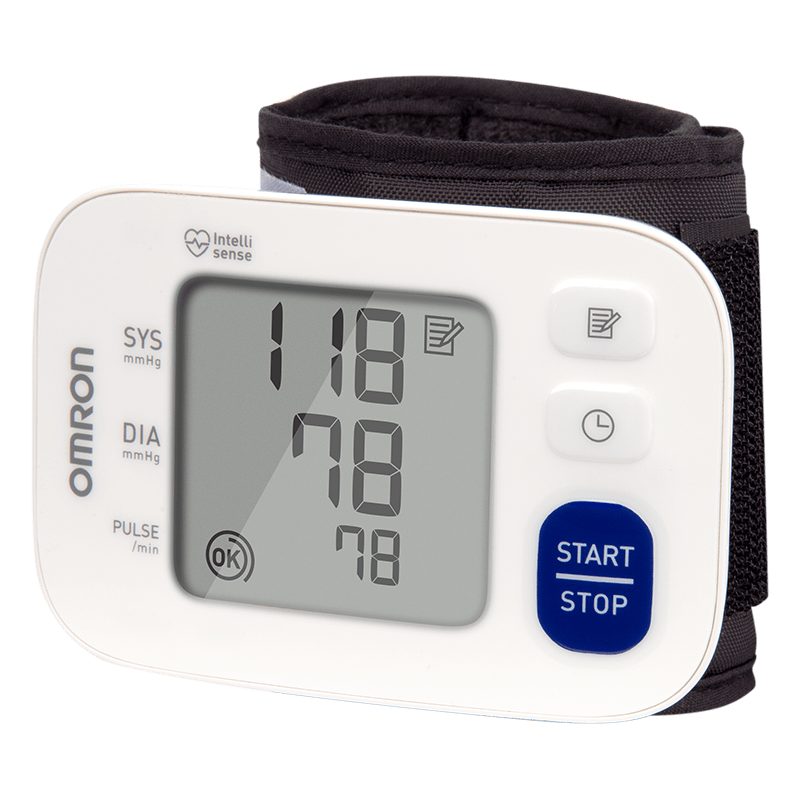
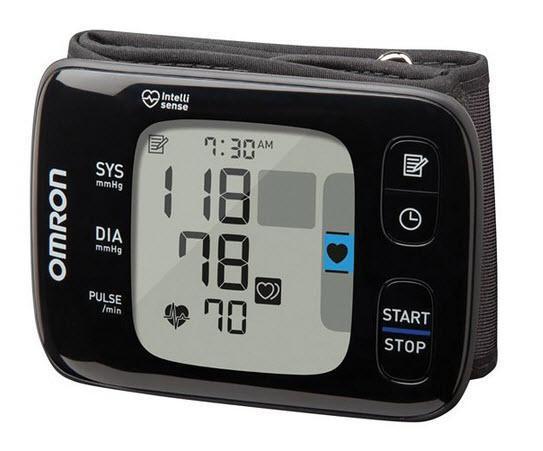
I love my FT7 heart rate monitor & calorie counter. I bought it a month ago and use it everyday. I ... read more
| Manufacturer |
LifeSource |
| Type |
UB 512 Type Wrist Automatic |
| Circumference Arm or Wrist where applicable |
UB 512 Wrist size 5.3 " to 8.5" (13.5 cm to 21.5 cm) |
| Special feature |
UB 512 Special Wrist Auto inflate, AM/PM memory, # users 1-2 adults |
| Memory |
UB 512 Memory 30 AM/30 PM readings, 60 total |
| Systolic pressure - the highest blood pressure measure When ventricles contract and pump blood out of the heart, blood pressure reaches its maximum value. |
UB 512 Systolic |
| Diastolic pressure - When the heart relaxes between heartbeats, the lowest blood pressure. |
UB 512 Diastolic |
| Pulse rate - per minute |
UB 512 Pulse 40 to 200 pulse/min. |
| Display |
UB 512 Display Digital |
| Detects Irregular Heartbeat - defined as a rhythm that is more than 25% slower or 25% faster from the average rhythm detected while the monitor is measuring the systolic and diastolic blood pressure. |
UB 512 Detects Irregular HB |
| Average mode - automatically takes individual readings and automatically displays the average of the last 3 readings taken within 10 minutes of each other. |
UB 512 Average mode - averages readings in storage |
| Pressure Rating Indicator - provides a snapshot of your blood pressure classification based on your measurements and let's you know what they mean. |
UB 512 Pressure Rating Indicator |
| Oscillometric method - detects your blood’s movement through your brachial artery and converts the movements into a digital reading. |
UB 512 Oscillometric |
| Measure range |
UB 512 Measurement range 20 to 280 mmHg |
| Accuracy pressure |
UB 512 Accuracy pressure ±3mmHg or 2% of reading Pulse ±5% of reading |
| Operating temp. |
UB 512 Operating temperature 50oF to 104oF (10oC to 40oC) |
| Power source |
UB 512 Power 2 AAA/1.5V batteries |
| Battery life |
UB 512 Battery life Approx. 400 readings with 2 new alkaline batteries |
| Low battery indicator |
UB 512 Low battery indicator |
| Weight - main unit |
UB 512 Weight approx. 2.9 oz. (82g) without batteries |
| Dimensions - main unit |
UB 512 Dimensions approx. 0.8 " (d) × 2.5 " w) × 2.2 " (h) 21 mm × 63 mm x 56 mm |
| Includes - contents of product |
UB 512 Includes monitor, 2 AAA batteries, manual, carrying case, logbook |
| Warranty |
UB 512 Warranty 2 yr. |
FREQUENTLY ASKED QUESTIONS - REGARDING BLOOD PRESSURE MONITORS |
||||||||||||||||||||
What is blood pressure? Omron - Blood pressure is the force generated by the blood against the walls of arteries during cardiac contraction and relaxation (e.g., the pumping action of the heart). LifeSource - Blood pressure is the force exerted by blood against the walls of the arteries. Systolic pressure occurs when the heart contracts; diastolic pressure occurs when the heart expands. Blood pressure is measured in millimeters of mercury (mmHg). |
||||||||||||||||||||
Why measure your blood pressure? Omron - Blood pressure measurement can highly reflect one's health condition. High blood pressure is potentially linked to serious illnesses such as stroke, heart disease and kidney failure. Since there is no symptom most of the time, many hypertension people do not realize they are at risk until their health is seriously threatened. Why measure your blood pressure at home? LifeSource - It is now well known that, for many individuals, blood pressure readings taken in a doctor’s office or hospital setting might be elevated as a result of apprehension and anxiety. This response is commonly called “white coat hypertension.” In any case, self-measurement at home supplements your doctor’s readings and provides a more accurate, complete blood pressure history. In addition, clinical studies have shown that the detection and treatment of hypertension is improved when patients both consult their physicians and monitor their own blood pressure at home. |
||||||||||||||||||||
Why affects your blood pressure? Blood pressure is affected by many factors: age, weight, time of day, activity level, climate, altitude and season. Certain activities can significantly alter one’s blood pressure. Walking can raise systolic pressure by 12 mmHg and diastolic pressure by 5.5 mmHg. Sleeping can decrease systolic blood pressure by as much as 10 mmHg. Taking your blood pressure repeatedly without waiting an interval of 5 minutes between readings, or without raising your arm to allow blood to flow back to the heart, can also affect it. In addition to these factors, beverages containing caffeine or alcohol, certain medications, emotional stress and even tight-fitting clothes can make a difference in the readings. |
||||||||||||||||||||
Why does my blood pressure fluctuate throughout the day? Omron - Individual blood pressure varies greatly both on a daily and a seasonal or temperature basis. These variations may be more pronounced in hypertension patients. Normally the blood pressure rises while at work and is at its lowest during sleep. LifeSource - An individual’s blood pressure varies greatly from day to day and season to season. For hypersensitive individuals, these variations are even more pronounced. Normally, blood pressure rises during work or play and falls to its lowest levels during sleep. |
||||||||||||||||||||
Blood Pressure Guide:
|
||||||||||||||||||||
Establishing Baseline Measurements The most important method to get an accurate blood pressure measurement is consistency. To get the most benefit out of your monitor, it is important to establish a “baseline measurement.” This helps build a foundation of measurements that you can use to compare against future readings. To build this baseline measurement, devote two weeks for consistent blood pressure monitoring. This involves doing everything the same way when you measure (e.g. measuring during the same time of day, in the same location, sitting in the same chair, using the same cuff, etc.). Once you establish your baseline measurement, you can start evaluating if your measurement has been affected based on things like lifestyle changes or medication treatment. |
||||||||||||||||||||
What is hypertension? LifeSource - Hypertension (high blood pressure) is the diagnosis given when readings consistently rise above normal. It is well known that hypertension can lead to stroke, heart attack or other illness if left untreated. Referred to as a “silent killer” because it does not always produce symptoms that alert you to the problem, hypertension is treatable when diagnosed early. Can hypertension be controlled? In many individuals, hypertension can be controlled by altering lifestyle and minimizing stress, and by appropriate medication prescribed and monitored by your doctor. The American Heart Association recommends the following lifestyle suggestions to prevent or control hypertension: Don't smoke Reduce salt and fat intake Maintain proper weight Exercise routinely Have regular physical checkups Monitor your blood pressure at periodic intervals |
||||||||||||||||||||
What is an irregular heartbeat? LifeSource -A heartbeat that varies by 25% from the average of all heartbeat intervals during the blood pressure measurement. Relax, remain still and refrain from talking during measurements. |
||||||||||||||||||||
Omron Health Management Software (included with select products) allows you to view, process and print data about blood pressure. The following operating environments are required to run this software. Supported OS: Microsoft® Windows® 2000 Professional Microsoft® Windows® XP Home Edition Microsoft® Windows® XP Professional Edition PC: 600 MHz or higher, Pentium compatible CPU, PC/AT compatible machine Memory capacity: 128MB or more Hard disc space: 32MB or more Display: Super VGA (800 x 600 pixel) or higher resolution video adapter and monitor Others: A CD-ROM or DVD drive USB connector (USB Revision 1.1 compliant) A printer Microsoft® Internet Explorer 5.0 or higher Adobe® Acrobat® Reader 5.0 or higher |
||||||||||||||||||||
My reading seems high. Is something wrong with the monitor? Your cuff might be too small for you or on too tight. A cuff that is too small yields a measurement that is higher than the correct blood pressure. Be sure to check that you are using the correct cuff size before taking your blood pressure. Please reference the section called “Select the correct cuff” in the instruction manual or see Question 4 to determine your correct cuff size. If your measurements still seem high, please consult your physician. |